Featured Recipe #1

Broccoli Rice Casserole

How To Make Broccoli Rice Casserole
with Beryl Stokes
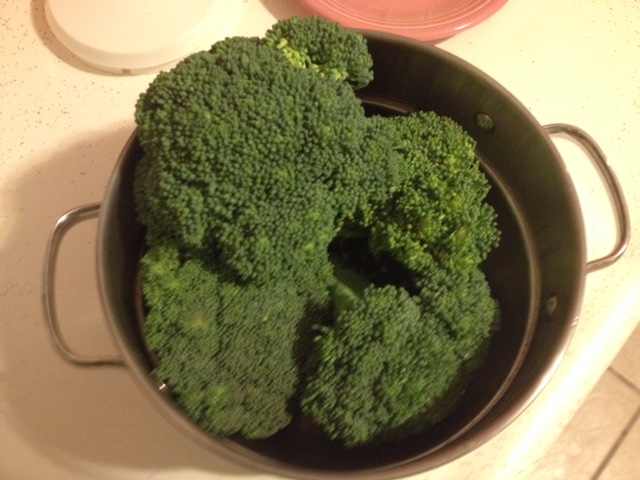
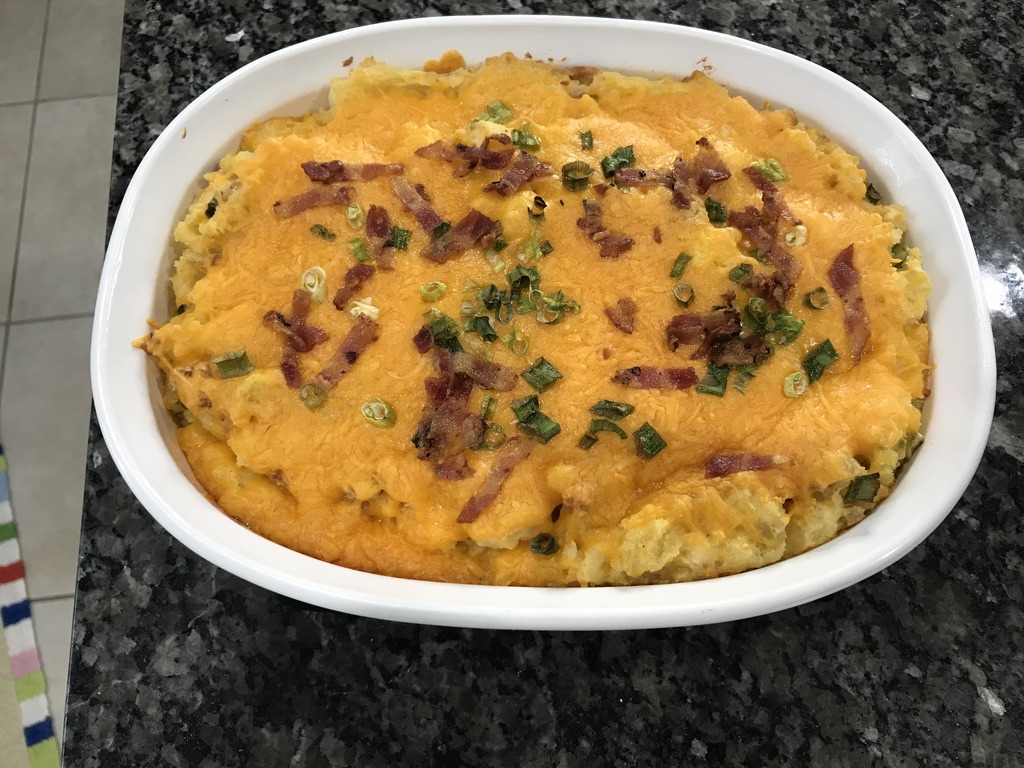
Broccoli Rice Casserole is a favorite at the Stokes home, and tonight we have a guest cook to help us make it. We first became acquainted with this dish at a local Piccadilly cafeteria, and decided to make it at home. We didn’t really have a starting recipe, [...]

Beryl | August 21st, 2008 | Continued

Featured Recipe #2

Cajun Potato Salad

How To Make Cajun Potato Salad
with Beryl Stokes
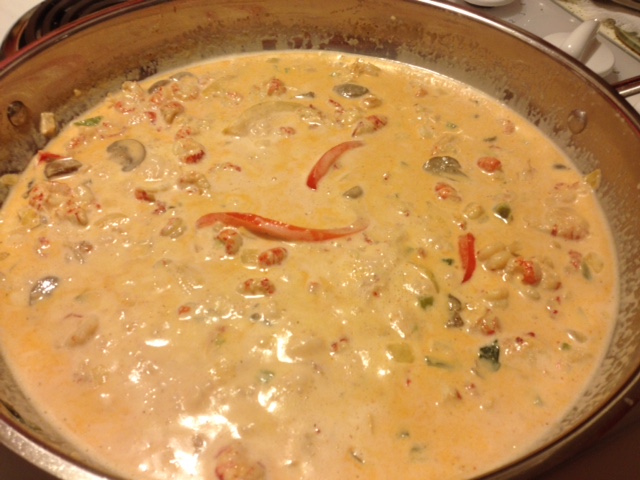
Potato Salad must be one of America’s favorite dishes, and when it comes to Cajun cooking, potato salad fits right in. Cajun’s add a little flair to everything they cook, and Cajun Potato Saladis right up our alley. You already know that potato salad is a must for [...]

Beryl | July 31st, 2008 | Continued

  • Featured Recipes:
  • 1
  • 2

Other Recent Recipes

post thumbnail

What Is Creole Cooking?

What Is Creole Cooking?

Creole cooking is very similar to Cajun cooking in the fact that they both use ingredients such as bell peppers, onions and celery in their dishes. However, the Creole style of cooking differs in some ways due to its use of local ingredients and simple European flavors instead of wild game and the Acadian’s heavy French flavors.

The Creole style of cooking was found mostly in the homes of rich people whereas the Cajun style of cooking was found in the poor farming communities.

Creole dishes were also served in many courses on a beautifully set table instead of a single pot over an open flame, thus distinguishing it from the Cajun way of cooking.

The history of the Creole’s cooking style actually began when European settlers arrived in the late 1600’s hoping to start a new life and acquire a large amount of wealth. Their European flavors mixed with the French, African, Caribbean, Italian and Spanish, which in return created what we know as Creole, or New Orleans style, cooking.

With the use of Italian and Spanish ingredients, Creole dishes took on a whole new flavor with an abundance of tomatoes.  The tomatoes were used in dishes such as jambalaya, and gumbo and often replaced the use of roux (flour and oil).

The use of beans became another important ingredient often found in Creole dishes. Its fame took on familiar dishes like red beans and rice, a New Orleans classic.

Okra was also an important ingredient.. It was first used by the African slaves, who shared their secrets of cooking by using the juice of the okra to thicken soups and stews like gumbo. Okra was also used in whole to give dishes like jambalaya and gumbo and added flavor.

Other ingredients included, rice, pork, oysters, shrimp, crab and crawfish, which were also found in other styles of Louisiana cooking.

To season the dishes, Creoles used garlic, parsley, bay leaf, salt, cayenne pepper and black pepper. And while the use of these seasonings was evident in their dishes, the results are actually far less spicy than most Louisiana dishes.
 
Today’s version of Creole cooking is actually very different than what had originated from the past. The flavors are mixed with the Cajun, which are only slightly different from one another. More often than not, it is hard to tell what is true Creole and what is not thanks to the commercial industry and the similarity in recipes.

However, if you are planning a trip to Louisiana any time in the near future, you can probably find a local who can show you the true way and taste of Creole style cooking.


Technorati Tags: , , , , ,

If you enjoyed this post, please subscribe to my RSS feed!

November 27th, 2008 | Beryl | 0 comments
post thumbnail

Mashed Potatoes

Mashed Potatoes
By: Beryl Stokes

Cajun Mashed Potatoes are made with real white potatoes, butter, milk and sour cream. Homemade Mashed Potatoes are extremely tastier than your run of the mill mashed potato flakes that come in a box. For just a little bit of effort, you can make mashed potatoes your family will rave about! Serve this wonderful comfort food with stews and gravy and meat loaf and all sorts of things.

Ingredients:

White Potatoes (2 medium potatoes per person)
¼ teaspoon Shrimp & Crab Boil (optional)
2 tablespoons butter
½ cup sour cream
½ milk or cream
Sea Salt
Tony’s Creole Seasoning

Prepare a large pot of water. Add dash of sea salt. Bring to a boil.

Peel potatoes. Cut into 1 inch cubes. Rinse in a colander.

Place in boiling water. Cook for 10-15 minutes until potatoes break apart with a fork.

Carefully drain in the sink in a colander. Pour into a large mixing bowl.

Add butter, sour cream and milk.

With an electric mixer, mix on high until creamy smooth. Voila and Bon Appétit!

Technorati Tags: , , , , , , , , ,

If you enjoyed this post, please subscribe to my RSS feed!

November 26th, 2008 | Beryl | 0 comments
post thumbnail

Chicken Stock

Chicken Stock
By: Beryl Stokes

Fresh Cajun Chicken Stock or Chicken Broth is essential for a flavorful gumbo, soup, stew, turkey dressings, sauces and much more. If you think Chicken Stock is supposed to come from a box sitting on a shelf with a pop top lid, then you are mistaken.

Do you know what is in that box that allows it to sit on the self so long? One of the main ingredients is MSG (monosodium glutamate). In other words, a poisonous fake flavor enhancing substance that is made at a chemical factory instead of a real, natural food.

Anyway, making fresh chicken stock is so easy and freezable for later use. Give it a try and you will taste the difference.

Ingredients:

Any piece of the chicken (thighs, drumsticks, or breasts) with bones and skin on.
2 Tablespoons Tony’s Creole Seasoning
1 Tablespoon Sea Salt
1 Onion – cut in quarters
Garlic – several whole cloves
3-4 Bay Leaves
Also, if you have vegetable discards, throw those in also.
Large Stockpot

Bring a large stockpot of water to a boil. Toss in chicken, seasoning, onion, garlic, and bay leaves.

Boil for one hour.

With a mesh wire strainer, begin to pour out stock into bowls to allow to cool. Once cooled, dip into plastic storage container. Freeze for later use.

When you need some stock, just thaw and there you go.

Note:
Question – What do I do with the leftover chicken?
Answer – Make Chicken Salad.

Technorati Tags: , , , , , , ,

If you enjoyed this post, please subscribe to my RSS feed!

November 25th, 2008 | Beryl | 0 comments
post thumbnail

Rice Dressing

Cajun Rice Dressing
By: Beryl Stokes

Cajun Rice Dressing, Rice Stuffing, or Cajun Dirty Rice – whatever you call it – this dish is a staple of Cajun Holiday traditions. In this episode, we made Cajun Rice Dressing in a matter of three basic steps. It’s really easy and sure to be a hit at your dinner table.

Ingredients needed:

1 lb ground round beef
1 lb lean ground pork
2 links of fresh pork sausage (we used a spicy Andouille sausage)
4 cups Cajun Trinity
2 tablespoons minced garlic
1 stick of butter
1 cup chicken stock
3 cups rice
6 cups water
Tony’s Creole Seasoning and Salt to taste
Chopped green onions for garnish
½ cup chopped pecans for garnish

Step One: Make rice according to package directions.

Step Two: Melt butter in a deep skillet. Slice into the casing on the sausage and remove the meat inside. Place all meat in the skillet. On medium high heat, cook the meats by chopping to a fine ground meat mixture. It should take about 10 minutes. Add the Cajun Trinity, minced garlic and ½ cup chicken stock. Cover and simmer on medium heat for 30 minutes. Stir occasionally to prevent sticking and clumping.

Step Three: Using a large mixing bowl, blend together meat mixture and rice. It should be a good 50/50 mix. Season to taste and stir well. Pour into a casserole dish or 13 x 9 baking pan. Garnish with chopped green onions and pecans. Serve hot.

Notes: May be used as a stuffing for turkey, chicken, or a pork roast. Rice dressing, or rice stuffing, is also a great side dish. When served as a side item, we call it Dirty Rice.

Many Cajun recipes also call for the use of poached chicken livers and giblets. Certainly add if you want. We chose not to.

Technorati Tags: , , , , , , ,

If you enjoyed this post, please subscribe to my RSS feed!

November 24th, 2008 | Beryl | 0 comments
post thumbnail

Fried Turkey Kits

Turkey Frying Kits


Technorati Tags: , , , ,

If you enjoyed this post, please subscribe to my RSS feed!

November 22nd, 2008 | Beryl | 0 comments
post thumbnail

Potatoes Au Gratin

Potatoes Au Gratin
By: Beryl Stokes

Potatoes Au Gratin is a wonderful warm and cozy comfort casserole. I love to serve this with a steak or grilled chicken. It takes a little time, but it’s oh so good.

6-8 white potatoes
3 cups milk or whipping cream
1 T (tablespoon) butter
1 T (tablespoon) Flour
8 cups finely shredded Cheddar Cheese
Salt & Pepper to taste
Canola spray

Bowl of ice cold water
Colander
Cutting board
Vegetable peeler
Knife
Casserole dish with cover

You need to start preparation 2 hours before you are ready to serve dinner.

Preheat oven to 400 degrees.

First start by peeling the potatoes. Use approximately 2 per person depending on the size of the potatoes. Slice in half on a cutting board. Then slice in 1/8” slices. Set in ice cold water.

Warm the milk or whipping cream in the microwave for 1:30 minutes. Make a white roux by melting 1 tablespoon butter and mixing in 1 tablespoon flour. Add in warm milk and wisk constantly for 10 minutes until a thickened white sauce.

Turn off the heat. Add in 4 cups of cheese and stir well. The cheese will melt under the heat of the white sauce. Add salt and white pepper to taste – a little Tony’s Creole Seasoning for a Cajun Flavor.

Spray casserole dish with canola spray oil. Drain the potatoes using a colander. Pour potatoes into the casserole dish. Pour the cheese sauce over the potatoes. Stir and blend in the cheese sauce with the potatoes.

Cover and bake for 40 minutes.

Next, take off the cover and bake another 40 minutes.

Take out of the oven and top with remaining grated cheddar cheese. The cheese will melt under the heat of the dish. Let rest 5-10 minutes.

Potatoes Au Gratin serves (also called scalloped potatoes) well as a side item to most meats and a side of steamed broccoli.


Technorati Tags: , , ,

If you enjoyed this post, please subscribe to my RSS feed!

November 22nd, 2008 | Beryl | 0 comments
post thumbnail

Baked Beans

Stove Top Baked Beans
By: Beryl Stokes

BBQ Baked Beans are sure to be served with our grilled hamburgers.  Baked beans don’t necessarily mean they have to be baked in the oven to be good either.  There are probably hundreds of ways to cook baked beans.  This is how we do it.

Ingredients:

1-2 cans of Baked Beans
½ cup Maple Syrup
½ cup Brown Sugar
Smokey Maple BBQ Sauce (or whatever your favorite BBQ sauce is)
Small amount chopped sweet onion
Optional:  sliced bacon or seasoning ham cut into small pieces

Sauté the chopped onions and bacon in small amount of oil or cooking spray. 

Add Beans, Brown Sugar, Maple Syrup, and BBQ sauce.  Mix well. 

Simmer for 30 minutes.

Serve in a bowl with a soup spoon.  You don’t want to leave a drop behind.  I like to dip my hamburger in the sauce. 


Technorati Tags: , , , , ,

If you enjoyed this post, please subscribe to my RSS feed!

November 20th, 2008 | Beryl | 0 comments
post thumbnail

White Beans

White Beans and Andouille Sausage
By: Beryl Stokes

We made White Beans and Andouille Sausage during the aftermath of Hurricane Gustav.  Not even 100 mile an hour winds that devastated the power to most of South Louisiana would stop Cajun Cooking TV from eating as normal.  Right before the storm, I cooked a big pot of Seafood Gumbo and a big pot of Spaghetti Sauce.  We froze meal size containers and were able to eat on that for several days.  Many Cajun recipes are great for cooking up large pot-fulls and freezing for later dinners.

For several days after the storm there were no stores open.  Many people were relying on FEMA and Red Cross for MRE’s and prepared meals.  Thank God we were able to purchase a generator and had gas stored up.  We were able to run the refrigerator, fans, microwave and other small electrics.  About day 5 or 6, we heard a sound like a policeman talking over their loudspeaker.  We didn’t know what it was.  Then we saw a sight we thought we’d never see.  A Red Cross truck was coming through the neighborhood passing out meals.  It made us sad to see such a large metropolitan city reduced to needing Red Cross assistance.  It’s like something you only see on TV in third world countries.

Happily as power began to be restored around the city, grocery stores began to open with limited items for purchase.  I was so thankful that Whole Foods opened and had all the necessities available.  We got fresh Andouille Sausage and were able to make a pot of White Beans by running the slow cooker on the generator all night.  We made rice out on a Coleman Camp Stove outside on the patio.  Since it was too dark to video at the time, we made White Beans again just for you.  I hope it’s a long time before we are out of power for 14 days again.  Enjoy!


Ingredients:

1 – 1-lb package Large White Beans (aka Great Northerns)
1 lb Sausage of your choice (we used 5 links of freshly made Andouille Sausage)
2 cups Cajun Trinity (chopped onion, bell pepper, and celery)
2 Tablespoons minced garlic
Tony’s Creole Seasoning
Tabasco sauce
1 cup long grain rice
Oil
Slow Cooker
Frying pan   

First you should soak the White Beans overnight in a large bowl.  Cover the beans with water leaving room for expansion.

Ready to cook.  Heat the Slow Cooker on high heat.  Drain the water from the beans and then pour beans into the Slow Cooker. 

Sauté the Cajun Trinity in a small amount of oil or cooking spray.  (My husband Mike just tosses the trinity in the with the beans without sautéing.)

Slice the sausage into 1 inch pieces and fry in a pan until brown.  We actually grilled the Andouille sausage the night before while we had a hot grill from grilling a steak.

Mix all ingredients together into Slow Cooker.  Add 4-5 cups of water to cover the mixture.  Add about ½ teaspoon of Tony’s Creole Seasoning and a few dashes of Tabasco sauce.  Mix well.

Cover and let the Slow Cooker do its job for 6-8 hrs.  Since each Slow Cooker is different, feel free to add small amounts of water if needed after a few hours.  You don’t want it to get too dry.

Beans are ready when soft and creamy gravy is created.  Make a pot of rice (1 cup rice, 2 cups water and simmer 20 minutes).

Serve White Beans and Andouille sausage over rice in a deep plate and is accompanied well with Jiffy cornbread muffins.  Now that’s some good country cooking if I do say so myself. 

Technorati Tags: , , , , , ,

If you enjoyed this post, please subscribe to my RSS feed!

November 16th, 2008 | Beryl | 0 comments
post thumbnail

Stuffed Shrimp

Crabmeat Stuffed Shrimp
By: Beryl Stokes

Stuffed Shrimp is another Cajun restaurant favorite of mine only second to Crabmeat Au Gratin.  The best stuffed shrimp I have found in Baton Rouge (besides making at home) is found at The French Market Bistro.  Two of their Jumbo Stuffed Shrimp and French Fries and you are so full.  In fact you’ll need a nap.

We had fun making these Stuffed Shrimp at home with my Godchild Ashley and her sister Amanda.  They love to help me in the kitchen.  I am glad they are interested.  My grown children do not know how to cook unless it goes in the microwave or comes out of a can.  So find time to spend with your kids or grandkids in the kitchen.  Let them get messy.  It’s all in good fun and they will remember you for taking the time with them.

Let get started because there are 3 steps here:

Ingredients and other necessities:  

12-16 Large or Jumbo size Fresh Shrimp
½ pound white or claw crab meat
1 package Shrimp/Fish Fry
1 cup plain or Italian Bread Crumbs
2-3 eggs
1 cup Cajun Trinity with 1 Tablespoon minced garlic
2 Tablespoons mayonnaise
½ Teaspoon each:  Worcestershire sauce, Tony’s Creole Seasoning, yellow mustard, and parsley flakes.
Dash of Tabasco sauce
Oil for frying
Lemon
Butter
Milk for egg wash
Platters
Mixing Bowls
Deep fat fryer

The Crab Stuffing

With a tablespoon of butter, sauté the 1 cup Cajun Trinity and minced garlic.  Pour into a medium size mixing bowl.  Add the Worcestershire sauce, Tony’s Creole Seasoning, yellow mustard, parsley flakes, and one egg.  Fold in the breadcrumbs and crabmeat.  Mix well.  Form the mixture in small meatball sized balls.  Place on a platter.  Refrigerate for approximately one hour to chill and become firm.

The Shrimp

Peel, clean and de-vein the shrimp.  Leave the tails on.  Carefully make a deep cut in the shrimp to butterfly it open.

Prepare your egg wash by mixing 1-2 eggs with a ¼ cup or so of milk and squeeze in some lime or lemon juice.  Prepare the Shrimp/Fish Fry by mixing in ½ teaspoon seal salt and 2 tablespoons Tony’s Creole seasoning.

Place a crab ball on the open shrimp.  Press firmly.  Dip in egg wash.  Shake off excess.  Place in the Shrimp/Fish Fry mixture and toss around to coat.  Place on a platter.

The Frying

Heat your oil.  Do not put drops of water in the hot oil to see if it’s hot enough like Mike Stokes does!  Carefully place 2-3 shrimp in the fryer (depends on what size fryer you have).  Fry the shrimp until golden brown.  Remove to a platter lined with an ample amount of paper towels.

Serve hot with a squeeze of lemon or lime and sides ketchup, tarter sauce, or my favorite hot cocktail sauce for dipping.  Um Um they were so good cher!

Cajun Supermarket :: Low Prices On Louisiana Cajun Products

Technorati Tags: , , , , , , ,

If you enjoyed this post, please subscribe to my RSS feed!

November 11th, 2008 | Beryl | 0 comments
post thumbnail

Crab Au Gratin

Crab Au Gratin
By: Beryl Stokes

Crab Au Gratin has got to be my all time favorite thing to order at a seafood restaurant.  I order Crabmeat Au Gratin every time we go to Mike Anderson’s Seafood Restaurant or Boutin’s Restaurant.  They each make it a little different, but both are excellent. 

Occasionally, I travel for my job to places that have no clue what good Cajun cooking is.  So, the first thing I want to do coming from the New Orleans airport is stop in Gonzales, Louisiana at Mike Anderson’s and get some Fried Crab Claws and Crab Meat Au Gratin.

Mike likes the Shrimp Norman.  I’ll have to show you how to make that soon.  Anyway, here is my version of Crabmeat Au Gratin.  Enjoy!

Ingredients and other items needed:

1 lb Fresh white or lump crab meat
4 Tbl butter
4 Tbl flour
2 cups Cajun Trinity
2 cloves of minced garlic
1 quart Half & Half
3-5 cups finely shredded cheddar cheese
Green onions - chopped for mixture and garnish
Parsley - chopped
¼ teaspoon each
 Nutmeg, White Pepper, Sea Salt and Tony’s Creole Seasoning
4-6 Oven safe baking dishes (4 cups)
Deep skillet
Baking sheet

To prepare:

Preheat oven to 400 degrees.  

Place your baking dishes on a baking sheet and spray with cooking spray.

Melt 4 tablespoons of butter and sauté the Cajun Trinity and garlic until well wilted. 

Gradually add 4 tablespoons of flour and stirring for 2 minutes or so. 

Add in Half & Half mixing well. 

Cook on medium heat for 10 minutes to form a thick white sauce. 

Stir constantly to prevent scorching or burning.

Turn off the heat.  Stir in seasoning at ¼ teaspoon each, 3-4 cups of cheese, small amount of green onions and parsley.  Mix well. 

Fold in the crabmeat.  Spoon the mixture into individual baking dishes.  Cover with additional cheese.

Bake at 400 degrees for 10-15 minutes. 

You can probably bake longer for a darker browning on top.  You just need to watch it to keep from burning.  Also, optional after the 15 minutes, turn the oven on broil to brown the cheese on top. 

Carefully remove from the oven and garnish with chopped green onions or a parsley sprig.

Serves well with a steamed vegetable or side salad and crusty French bread.

Note:  The leftovers reheated well and were fantastic served with crackers like an appetizer. 

Cajun Supermarket :: Low Prices On Louisiana Cajun Products

Technorati Tags: , , , , ,

If you enjoyed this post, please subscribe to my RSS feed!

November 6th, 2008 | Beryl | 0 comments
post thumbnail

All About Blue Crabs

All About Blue Crabs

Louisiana may be known for its blue crabs, but did you know that they’re not all blue? The crabs get their name because of their bluish color, but some of these shelled creatures can also be gray or turquoise. Yet despite the color, the crab is a favorite with Louisianans everywhere!

A blue crab is found in both salt and fresh water in all almost all parts of the world. Here they are typically found in the Gulf of Mexico and Atlantic Ocean. Because they are bottom-dweller, a young crab is prey to many animal species. Birds, sharks, eels, catfish, sea turtles and even their own kind will hunt them.

But animals are not the only prey they must look out for. Fishermen harvest the crab for commercial use. Trotlines or crab pots are used to trap the crab during the warm months when they are more active. Sometimes a dredge is used during the winter months when they are not so open to the cold waters.

Once a crab is harvested, workers must separate male from female. The easiest way a fisherman will distinguish a male crab from a female crab is by looking for a “T” shaped apron and blue-tipped claws. A young female crab will have red-tipped claws and a triangular shaped apron that forms a “U” as an adult.

When an adult female becomes pregnant she will carry her eggs under her abdomen until they are released into the water, which takes about two weeks.

Once the eggs hatch, the crab grows to its adult size in about a year and a half.

During their growth, a crab will shed its shell many times. During this process, the new shell will be soft which at this time are often harvested for their delectability.

Those that are left to harden are no strangers to a Louisiana table either. A hard-shell crab is one of the most common delicacies of Louisianans.

The hard-shell crab is often boiled and served whole in the shell. Louisianans then crack the shells and enjoy the meat inside. Much of the meat is found in the claws for hard-shell lovers, but the entire crab maybe eaten when cooked as a soft-shell.

Boiling a blue crab isn’t the only way to prepare it. A crab may be fried, steamed and even baked. But many Louisiana chefs will agree that the best way to cook a crab is by boiling or steaming it.

But no matter how a crab is prepared, one thing is for sure, it’s all good!

Click Here to Learn
How to Boil and Eat Louisiana Blue Crabs

Technorati Tags: , , , , ,

If you enjoyed this post, please subscribe to my RSS feed!

November 4th, 2008 | Beryl | 0 comments
post thumbnail

Bacon Wrapped Shrimp

Honey Glazed Bacon Wrapped Shrimp
By: Beryl Stokes

Bacon Wrapped Shrimp is a quick and very easy Cajun recipe that can be either an appetizer or main course.  A variety of sauces or glazes can be made for topping and dipping.  For this demonstration we made a honey glaze sauce.  You can experiment with many other combinations such as olive oil and Italian seasoning or butter and Tony’s Creole Seasoning.  Anything you want – give it a try.  And now let’s make Bacon Wrapped Shrimp.

What you will need:

12-18 Fresh Jumbo or Large Shrimp
Bacon
Lemon Juice
Orange Juice
1 cup Brown Sugar
¼ - ½ cup Honey
Tony’s Creole Seasoning
Cooking Spray
Toothpicks
Non-stick baking sheet

Putting all together:

Turn your oven on Broil and keep the rack in the middle.  Peel the shrimp leaving the tail on.  Carefully slice the top of the shrimp and remove the black vein and discard on a paper towel. 

In a small saucepan and on medium-low heat, mix the lemon juice, orange juice, brown sugar and honey.  Simmer on low while the shrimp are prepared and cooked.

Cut bacon sliced into 2-3 inch pieces.  Wrap around the shrimp overlapping and secure with a toothpick.  Place on a baking sheet sprayed with cooking spray. 

Broil for 4-5 minutes.  Turn the shrimp and broil 4-5 minutes more.  Remove from oven.  With a basting brush, cover each shrimp with the honey glaze.  Broil for another minute.

Serve 4-6 shrimp per person.  Goes well with potato salad, pasta tossed in olive oil or a rice pilaf.  Don’t forget to sprinkle some Tony’s Creole Seasoning for a bit of spice.

Enjoy and Happy Eating!

Note: Honey Glazed Shrimp can also be cooked in the same manner on the grill.

Cajun Supermarket :: Low Prices On Louisiana Cajun Products

Technorati Tags: , , , , , , ,

If you enjoyed this post, please subscribe to my RSS feed!

October 31st, 2008 | Beryl | 1 comment
post thumbnail

What Is Cajun Cooking?

What Is Cajun Cooking?

Cajun cooking began when a group of people known as the Acadians were forced to leave their French-Canadian homes by boat to the United States after the British took over their homeland. Because many U.S. states were unwelcoming to foreign people, the Acadians took up residency in Louisiana where they were accepted.

The Acadians made use of the lands of Louisiana by planting rice and sugarcane in the fields and fishing for shrimp, oysters and crawfish in the rivers. They became friends with the Native Americans, Africans and English, despite being submitted to a new and strange land.

Because the English found if difficult to pronounce the word Acadian, the “A” was eventually from the name and the “D” was pronounced as a “J.” The result was the word, Cajun.

While in the beginning, the recipes did come from the Acadians and their native homeland, it was actually a combination of heritages that created true Cajun recipes. Everyone from the English to the French to the Spanish, to the Africans, added to what has made Cajun cooking the flavor it is today.

When people think of Cajun cooking, they often think of spicy food. While it is true that Cajun cooks use some spices like Tabasco pepper sauce in their dishes, most Cajun recipes are a lot milder in pepper than the way some replicated Cajun dishes are made.

True Cajun dishes actually contain a good amount of various seasonings verses just a lot of spicy pepper. It requires a perfect blend to truly create an authentic Cajun dish. Many true Cajun dishes also contain a combination of bell peppers, onions and celery.

Other important ingredients that are most often used in Cajun cooking include, rice, okra, sausage, chicken, ham, crawfish, shrimp, andouille and oysters. These ingredients are then turned into the dishes many of us know and love like, jambalaya, etouffee and gumbo.

For many Cajun cooks, a black cast iron pot is used when cooking. The pot is usually one that has been handed down by a family member and was once hung over an open fire. Not only does the precious heirloom create authenticity in Cajun cooking, it also carries a good amount of iron that is absorbed into the food.

While many other states and even some countries try to imitate Cajun cooking, most often the results are nowhere near a true experience. If you really want to experience the authenticity of true Cajun cooking, a visit to south Louisiana is highly recommended.

 Cajun Supermarket :: Low Prices On Louisiana Cajun Products

Technorati Tags: , , , , ,

If you enjoyed this post, please subscribe to my RSS feed!

October 27th, 2008 | Beryl | 0 comments
post thumbnail

Grilled Redfish

Grilled Redfish
By: Beryl Stokes

Grilled Redfish is on the menu this Saturday night at the Stokes’ home. Any quality fish will do for grilling, we’ve grilled grouper, red snapper, tuna, catfish and trout, just to name a few. Your best bet is to buy fresh fish from a local and trusted seafood market. Some people don’t care for Cajun recipes, but this is one Cajun recipe that fish lovers all over the world can enjoy.

What will you need?

Fresh Redfish or Catch of the Day (skin on) – 1 filet for each person
Spray Canola Oil
Lime
Worcestershire Sauce
Garlic Powder
Tony’s Creole Seasoning
Sea Salt

1 stick of butter
2 cloves minced garlic
Green Onions – chopped
Fresh or dried Cilantro

Prepare you grill along with soaking mesquite smoking chips. Please see our Grilling Tips video for details on proper grill preparation.

Lay fish filets out on a tray. Spray both sides of the filets with spray oil; especially the skin side. Squeeze lime juice over the redfish and shake out Worcestershire sauce. Sprinkle on Tony’s, Garlic Powder and Sea Salt. Place skin down on the grill and put the lid on. We will not be turning the fish.

Next, prepare the Cilantro Lime Butter Sauce by melting the butter in a saucepan. Squeeze in another half lime. Add in the chopped green onions, minced garlic, and cilantro. Blend well. Spoon out a bit of the butter sauce in order to drizzle on the redfish while on the grill.

After about 20 mins, we checked the fish for a white flaky doneness. Bring the redfish inside and pour over the remaining butter sauce. If all that butter is too much for you, at least scoop out the green onions, garlic and cilantro to spoon over the fish.

Serve with a fresh steamed broccoli or asparagus or whatever you like, and crusty garlic bread. It was so good!

Technorati Tags: , , , , ,

If you enjoyed this post, please subscribe to my RSS feed!

October 22nd, 2008 | Beryl | 0 comments
post thumbnail

Chicken Pot Pie

Chicken Pot Pie

By - Beryl Stokes

Chicken Pot Pie – sound like a blast from the past. I never hear people talking about actually making Chicken Pot Pie from scratch. Chicken Pot Pie is truly described in its name – some cooked in a pot and then cooked in a pie shell.

Do you remember back in the 70’s and frozen foods were really only able to be cooked in the “real oven”? There were no microwaves back then so for Chicken Pot pie you had to wait the long 45-50 minutes to eat that oh so crusty pie crust and tasty pot pie filling inside.

Well, rather than have that small frozen food portion, you can easily make Chicken Pot Pie from scratch and big enough for your family. It will still take about an hour, but so much better and it’s a complete nutritious meal in one pie shell.

You will need:

1 package forozen prepared deep dish pie shells – usually 2 in the pack.

1 lb bag of frozen mixed vegetables

1 full grilled chicken breast – cubed

2 Tablespoons butter

2 Tablespoons flour

2 cups milk

White pepper

Sea Salt

¾ cup sharp cheddar cheese (finely shredded)

Deep skillet or saucepan

Saucepan to cook the vegetables

Baking Sheet

Foil

Early in the day place your frozen pie shells in the refrigerator to thaw. At cooking time, preheat oven to 400 degrees. Cook the frozen vegetables according to package directions. Drain and set aside.

In a deep skillet, melt the butter on medium heat (#6). Gradually add the flour and stir well cooking for about 1-2 mins. Slowly add 2 cups milk. Stir well and constantly for 10 mins. You should have a thick soup consistency white sauce. Turn off heat. Add about a ¼ teaspoon or to taste white pepper and sea salt. Whisk in cheddar cheese. Stir in vegetables and cubed chicken. Mix well.

Pour mixture into one pie shell and pat down. Cut off the crust edge of the second pie shell. Carefully peel the pie shell to position on top of the pot pie mixture. Seal the two crusts together with a fork. You can dab your fork in warm water to help the sealing process. Cut 2-3 slits in the top of pie crust to vent; otherwise the white sauce will come leaking out wherever it can escape.

Place the Chicken Pot Pie on a baking sheet lined with foil. There is nothing worse to clean than burned on Pot Pie on you baking sheet or the oven. Take the empty pie tin and place on top of the Chicken Pot Pie. This will prevent the top pie crust from baking faster than the bottom pie shell. Bake covered for 30 mins and 20 mins uncovered for a total of 50 mins baking time.

Remove from oven and let sit for 5 mins. Cut into sections and serve. Since Chicken Pot Pie consists of all the nutritious elements such as meat, vegetables, milk, and bread – it’s a complete meal in one. Of course a cool side salad is a nice accompaniment.

Enjoy this wonderful and easy Chicken Pot Pie recipe, which is a great reminder of what some call “comfort food”. We just call it “some good groceries”.

P.S.: You can substitute making the white sauce with a can of mushroom soup. I can’t eat canned soup because of the preservatives and MSG. But this is a quick alternative.


Technorati Tags: , , , , , ,

If you enjoyed this post, please subscribe to my RSS feed!

October 19th, 2008 | Beryl | 2 comments
post thumbnail

Louisiana Blue Crabs

How to Boil and Eat Louisiana Blue Crabs

Louisiana Blue Crabs are available in the warm waters of the Gulf of Mexico. The word for Blue Crab in the Greek means beautiful swimmer and savory. Louisiana Blue Crabs are also known for a sweet and hearty texture. I personally love the claw meat of Blue Crabs, but the lump white crab meat is certainly the best.

On this sunny day in August, we visited the Folse & Company Seafood Market in Gonzales, Louisiana. It had been about 20 years since I actually boiled my own crabs. Usually, it is so easy to get boiled crabs at local restaurants.

We recommend about 2-4 crabs per person depending on the size. Of course, we only buy the best grade #1 crabs, so they are rather large and full of incredible meat.

 Getting Started: 

Buy fresh local live crabs.  Once home place the crabs in a large basin or bucket and cover with ice.  The ice stuns the crabs and miraculously keeps the claws from falling off during the boiling process.  Soak for 30 minutes. 

Prepare a large stock pot with boiling water. 

Add seasonings:
  2 large sweet onions – chunked
  Several whole garlic pods
  3-4 Bay leaves
  2-4 tablespoons Zaterran’s Liquid Shrimp & Crab Boil
  Salt
  2 tablespoons White Vinegar (helps crabs peel easily)
  lemon or lime juice.

Carefully place the crabs in the boiling water.  Boil about 8-10 minutes.  The crabs instantly turn a vibrant red once placed in the boiling water.  Turn off the heat.  Place cold water or more ice on top of the crabs in order to stop the cooking process. 

Let the crabs soak in the water in order to soak up the wonderful seasonings for 30 minutes to an hour.

Eating Louisiana Blue Crabs:

You can do this in order you like, but this is just how I was taught to eat crabs as a little girl at the age of 8.  There would be about 10 family members sitting all around this large dining table in the dining room of my Aunt Linda’s house in New Orleans.  Newspapers were spread the entire length of the table and each person had a plate and a little bowl for dipping with either butter or ketchup.  What a wonderful memory. 

Let’s get to the eating:

Take the crab in one (be careful of the hard prickles on the shell). Carefully pull the legs out right at the join closet to the body. Some good meat will come out. Don’t be shy to pull the meat through your teeth and suck out the juice.

Next, turn the crab over and pull open the crabs private part. Grasp the bottom of the body in one hand and the top shell in the other and pull apart. Discard the top shell. Then, pull the lungs and other yucky guts items off. You should be left with 2 compartment separated by much thinner shell membranes.

Using a sharp knife carefully cut the compartment in half. Then, make a cut lengthwise on each compartment to reveal the sweet, savory white meat. Pull out the lump crab meat and work your way through the other smaller membranes.

Now for the legs – break apart the legs at each joint. Sometimes the meat will come right out. Other times you need to use crab crackers or nut crackers to open up the segments.

My favorite part is the claw. I always save it for last. Delicately crack right in the middle and once at the place where the claws start. You should be able to peel the shell off and reveal a big, full claw. Take the claw into your mouth and pull between your teeth. Now that’s some good stuff Cher!

P.S.: My first and last time that I cooked live crabs, I was 23 years old and still wet behind the ears when it came to cooking. We lived on a small island in northeast Florida – Amelia Island. A local seafood market had a sign for “Dozen Crabs - $12.00”. I thought, “Wow, I love crabs and I can figure out how to cook them.” So, I bought a dozen crabs. I didn’t realize that they were LIVE. I thought crabs were like fish and already dead.

Needless to say, to my surprise these things were all rustling about in the paper bag. I get them home and I no idea what to do with them. So, I call my mom back in Louisiana. She tells me to pour them in the sink and soak them in salt water. I thought that was just for crawfish, but I attempted it anyway. I took the bag and dumped them in the sink. Oh my gosh, they were rustling about and trying take off running on the counter.

One fell on the floor. I was hopping around like firecrackers were going off. My golden retriever was having a good time playing with one.

Well, I managed to boil and season some water and one by one placed the poor innocent crabs into the boiling hot cauldron and saying sorry to each of them.

They must have been good for I remember this crazy story. C’est la vie!

Cajun Supermarket :: Low Prices On Louisiana Cajun Products

Technorati Tags: , , , ,

If you enjoyed this post, please subscribe to my RSS feed!

October 15th, 2008 | Beryl | 0 comments
post thumbnail

Shrimp Creole

Shrimp Creole Recipe
with Beryl Stokes

Shrimp Creole is another favorite Cajun/Creole dish.  Traditionally, Shrimp Creole is a Creole recipe from New Orleans.  Shrimp Creole only differs slightly from Shrimp Etouffee in that tomato sauce is added to the Roux and great big jumbo Gulf of Mexico shrimp of course. When it comes to recipes for shrimp, this is about as easy a Cajun recipe as you’ll ever find. Let’s get cooking!

Ingredients:

2 lbs Large Shrimp (peeled and deveined)
2 8 oz cans tomato sauce
1 can Rotel tomatoes
1 stick of butter
½ cup all-purpose flour
4 cups Cajun Trinity with minced garlic
6-8 cups vegetable stock (or chicken stock)
1 cup rice
Olive oil
Green onions chopped for garnish
Tony Chachere’s Creole Seasoning
Tabasco sauce to taste

How to put it all together:

As with all Cajun recipes, you start with a Roux. But, first we need to sauté our Cajun Trinity and garlic. Place 2 tablespoons olive oil in a large Dutch oven or 6 quart pot. On medium heat, sauté the Cajun Trinity until vegetables are wilted and tender. Pour into a side bowl and set aside.

For the Roux – melt 1 stick of butter on medium heat. Gradually add ½ cup flour and stir constantly until a light golden color. Carefully mix in Cajun Trinity and stir as to not stick or burn. Add 6-8 cups stock. Bring to a boil. Lower the heat to medium and simmer for 15 minutes. Add Rotel, tomato sauce, and Tony Chachere’s Creole Seasoning. Simmer another 10-15 minutes. Add shrimp. Cook another 10 minutes.

Make rice according to package directions.
1 cup rice + 2 cups water + 20 minutes = cooked white rice.

Serve Shrimp Creole over mound of rice in a deep plate or bowl. Garnish with chopped green onions. Also, Shrimp Creole is wonderful with crusty French bread for dipping.

Remember cooking from scratch is so easy and very rewarding. Bon Appétit!

Cajun Supermarket :: Low Prices On Louisiana Cajun Products

Technorati Tags: , , , , ,

If you enjoyed this post, please subscribe to my RSS feed!

October 7th, 2008 | Beryl | 0 comments
post thumbnail

The History of Cajuns

The History of Cajuns

Cajuns originated in the mid-1700’s after the British forced them from their home of Acadia, which was once a part of Canada. After refusing to bow down to the British Crown, the Acadians were forced to leave by boat to other countries where they would start new lives and eventually be known as the Cajuns.

But, there’s more than just the Cajun name to these French ancestors. There is a story untold, before they were famous for their cooking and music. A story that is as sad as it is tragic.

Around 1755, a colony of French Canadians found themselves helpless as a British army attacked, and their country of France ignored their desperate pleas for help.

These people were known as the Acadians. Because of their Christian beliefs, the Acadians refused to give into the British’s attempt to take over their religious beliefs. After all, the British had already taken their land and enslaved their children. So instead, the Acadians were given 18 months to leave their beloved colony and many were eventually sent to the U.S as a result.

The trip by boat was not easy however, and many of the Acadians died along the way from disease and malnourishment. Those that did survive settled on the swamp and land regions of New Orleans because many U.S. colonies refused to accept them. Some refused to give up their old life and returned to their homeland of Acadia, only to be imprisoned.

Those that settled the Louisiana lands were faced with diseases, death and a new territory. But the Acadians did not give up.  They used what resources were given to them and turned the land into a profit. They trapped and fished; making shrimp, oysters, crawfish and crabs a main source of income. Some farmed the lands, making rice, okra and peppers, profitable.

Despite all that had happened, the Acadians did not keep to themselves. They made friends with the Spanish and Native Americans who were local to the area.

Soon the English knew them as the Cajuns, rather than the Acadians. The “A” was made silent and the “di” became a “J” since this was how their native ancestors pronounced it. The result became the word, Cajuns.

For a while, life was good for the Cajun people, but by 1921 the U.S had decided it was time the Cajuns learned the English language.

Cajun children were forced to go to formal schools and beaten if they refused to learn the English language. If the children spoke their native language in school, they were punished. As a result, the Cajuns began to speak less of their native tongue. However, this did not stop the Cajuns from teaching their French language at home.

By 1939 at the start of World War II, the U.S. changed their determined ways. The Cajun’s used their French language to translate and help the American Soldiers in France.

It wasn’t until the 20th century however, that people began to truly accept the Cajuns. Today, they are famous for both their cooking and their music.

Cajun cooking however, has been the most popular in their culture. Many Cajun based restaurants strive to be the best in Cajun cuisine while grocery stores carry their own versions of Cajun foods. 

Cajun culture has certainly improved to a society that once turned a deaf ear to this French colony.

The Cajuns have allowed us to share and experience their wonderful culture. For that, we are blessed.


Technorati Tags: , , , , , ,

If you enjoyed this post, please subscribe to my RSS feed!

October 3rd, 2008 | Beryl | 0 comments
post thumbnail

Hurricane Gustav vs Cajun Cooking TV

Hurricane Gustav hindered our Cajun recipes production, but not our spirit, nor our appetites for great Cajun food.

We were without electricity and Internet connection for 14 days, and had a major clean-up job after that. But, we’re happy to say we’re back to Cajun Cooking and will be bring you Cajun recipes weekly once again.

We’re also adding a “Cajun Culture” category, where we’ll be publishing articles on all sorts of things Cajun.

So, we’re happy to be back, and we’ll get those Cajun recipes and videos rolling again.

Technorati Tags: , ,

If you enjoyed this post, please subscribe to my RSS feed!

October 3rd, 2008 | Beryl | 0 comments
post thumbnail

Turnip Greens

How To Make Turnip Greens
with Beryl Stokes
 

Turnip greens are real Southern food. And us Cajuns are also Southerners. No Cajun recipe collection would be complete without this recipe. You rarely see this great vegetable in restaurants, although some Southern based cafeterias like Piccadilly serve them. Turnip greens are something you get at home, or don’t get at all.

Turnip Greens

For your complete recipe, go to:
How to Make Turnip Greens Recipe and Video 

Technorati Tags: , , , ,

If you enjoyed this post, please subscribe to my RSS feed!

September 21st, 2008 | Beryl | 0 comments
post thumbnail

Strawberry Shortcake

How To Make Strawberry Shortcake
with Beryl Stokes

Strawberry shortcake is my favorite dessert, and we make it often during strawberry season around here. I grew up right by Ponchatoula, Louisiana, the “strawberry capital of the world.” In fact, when I was in grade school through high school, many of my friends’ families had strawberry farms, and worked them during season. (I love strawberries so much, that I have them with my breakfast almost every day.) This strawberry shortcake recipe is not only great tasting, but it’s really easy to make also.

 For your complete recipe with video, go to:
How to Make Strawberry Shortcake Recipe and Video

.

Technorati Tags: , , , , ,

If you enjoyed this post, please subscribe to my RSS feed!

August 29th, 2008 | Beryl | 0 comments
post thumbnail

Cajun Zydeco Music

 Cajun Music: Experience the Unique Sound

The origin of Cajun Zydeco music is as diverse as the Cajun people themselves. The history of Cajun music starts right around 1755 when the Acadians were being expelled from Nova Scotia. The people traveled south and eventually settled in Louisiana.

Louisiana Cajun Music

Louisiana Cajun Classics - Cajun and Zydeco Greatest Hits

These Acadians brought their own style of music with them. It was music that had strong French influences. But just as the experience of being driven from their homeland changed them personally, it also changed their music.

The Acadians began to incorporate their experiences with the British and the Native Americans into their ballads. The New World definitely had a huge impact on their lives.

Cajun French music of long ago was really stories that were sung without the accompaniment of instruments. These ballads were performed at family gatherings and other social events. Sometimes rhythm was supplied by the clapping of hands or stomping of feet.

The fiddle was a major instrument in Louisiana Cajun music. It was played at dances and other large gatherings. One of the most famous Cajun fiddlers was Dennis McGee. His bayou music incorporated a blend of cultural influences which included African rhythms, blues and singing styles of the Native American Indians. His music is said to have been key to developing the modern Cajun Zydeco music of today.

A big change in Cajun music came in 1925 when the accordion was introduced. The great thing about the accordion music was that its sound was loud enough to carry across a crowded, noisy dance floor. The accordion was the perfect accompanying instrument to the fiddle and gave Louisiana music a lighter, more joyful feel.

When the radio and recordings came on the scene in the 1920’s, Cajun musicians were exposed to other musical influences from outside the Louisiana territory. These outside influences brought about more changes to the Cajun music scene.

As the rock and roll movement took hold in the 1950’s, Cajun music changed to include some of these rock and roll elements into its music. It was labeled swamp pop music. It could be described as hillbilly melodies combined with New Orleans style R & B, or Cajun Country.

Cajun music continues to evolve with the times. There have been country music artists that have included strong Cajun influences in their music. Cajun Creole music is a unique style of music that demonstrates the fortitude of the Cajun and Creole communities. It is a celebration of life and expresses the ability of people to overcome.

You can be sure we have a Cajun CD rockin’ our soul every Saturday night when we’re cooking up one of the Cajun recipes for the Cajun Cooking TV videos!

If you want to experience a unique blend of sounds and lyrics, get your hands on some true Cajun music. There is no other music in the world like it.

Technorati Tags: , , , , ,

If you enjoyed this post, please subscribe to my RSS feed!

August 26th, 2008 | Beryl | 0 comments
post thumbnail

Broccoli Rice Casserole

How To Make Broccoli Rice Casserole
with Beryl Stokes

Broccoli Rice Casserole is a favorite at the Stokes home, and tonight we have a guest cook to help us make it. We first became acquainted with this dish at a local Piccadilly cafeteria, and decided to make it at home. We didn’t really have a starting recipe, so this Broccoli Rice Casserole recipe is the result of just an idea and knowing what we like. One thing is for sure, we knew we wanted more cheese in and on it! This is a Cajun recipes side item, that we make whenever the kids come over, because they all love it. It’s really easy to make, you can use either fresh or frozen broccoli, and the little ones can help you grate the cheese.

Cajun Cooking Is Fun

For your complete recipe with video, go to:
How to Make Broccoli Rice Casserole Recipe and Video


Technorati Tags: , , , ,

If you enjoyed this post, please subscribe to my RSS feed!

August 21st, 2008 | Beryl | 0 comments
post thumbnail

Grilled Chicken and Pasta

How To Make Grilled Chicken and Pasta
with Beryl Stokes

Grilled chicken and pasta, with broccoli or asparagus and a cheese sauce, is one of my husband’s favorite dishes. We have it at least one Sunday night a month, if not more often! Although this chicken and pasta recipe calls for grilled chicken, you can certainly bake it, broil it, or even fry it if that is more convenient for you. The real secret to this recipe (at least this is what my husband would tell you) is the cheddar cheese sauce. This cheddar cheese sauce recipe is so good you could pour it over cardboard and you’d have a great tasting meal. Anyway, the cheese sauce recipe is included in the video, and although this isn’t a specifically Cajun cooking Cajun recipe, we Cajun’s just plain love all good food, so we’ve included this in our Cajun recipes collection, under “other recipes”. We hope you enjoy our grilled chicken and pasta as much as we do.

Grilled Chicken and Pasta

For your complete recipe with video, go to:
How to Make Grilled Chicken and Pasta Recipe and Video

.

Technorati Tags: , , , ,