Tag: cajun cooking tv

Chicken Pot Pie

How to Make Chicken Pot Pie
Chicken Pot Pie
Chicken Pot Pie

Chicken Pot Pie – sounds like a blast from the past. I never hear people talking about actually making Chicken Pot Pie from scratch. Chicken Pot Pie is truly described in its name – some cooked in a pot and then cooked in a pie shell.

Do you remember back in the 70’s and frozen foods were really only able to be cooked in the “real oven”? There were no microwaves back then so for Chicken Pot pie you had to wait the long 45-50 minutes to eat that oh so crusty pie crust and tasty pot pie filling inside.

Well, rather than have that small frozen food portion, you can easily make Chicken Pot Pie from scratch and big enough for your family. It will still take about an hour, but so much better and it’s a complete nutritious meal in one pie shell.

Ingredients for Chicken Pot Pie

1 package frozen prepared deep dish pie shells – usually 2 in the pack.

1 (one-pound) bag of frozen mixed vegetables

1 full grilled chicken breast – cubed

2 tablespoons butter

2 tablespoons flour

2 cups milk

White pepper

Salt

¾ cup sharp cheddar cheese (finely shredded)

Deep skillet or saucepan

Saucepan to cook the vegetables

Baking Sheet

Foil

Early in the day place your frozen pie shells in the refrigerator to thaw.

At cooking time, preheat oven to 400 degrees.

Cook the frozen vegetables according to package directions.

Drain and set aside.

In a deep skillet, melt the butter on medium heat (#6).

Gradually add the flour and stir well cooking for about 1-2 minutes.

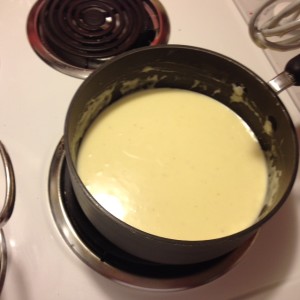
Slowly add 2 cups milk. Stir well and constantly for 10 minutes.

You should have a thick soup consistency white sauce.

Turn off heat.

Add about a ¼ teaspoon or to taste white pepper and salt.

Whisk in cheddar cheese.
Cheese Sauce
Cheese Sauce

Stir in vegetables and cubed chicken.

Mix well.

Pour mixture into one pie shell and pat down.

Cut off the crust edge of the second pie shell.

Carefully peel the pie shell to position on top of the pot pie mixture.

Seal the two crusts together with a fork.

(You can dab your fork in warm water to help the sealing process.)

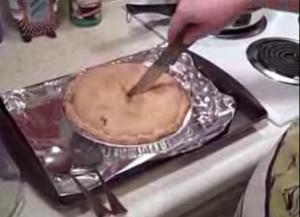
Cut 2-3 slits in the top of pie crust to vent; otherwise the white sauce will come leaking out wherever it can escape.

Place the Chicken Pot Pie on a baking sheet lined with foil.

(There is nothing worse to clean than burned on Pot Pie on you baking sheet or the oven.)

Take the empty pie tin and place on top of the Chicken Pot Pie.

(This will prevent the top pie crust from baking faster than the bottom pie shell.)

Bake covered for 30 minutes and 20 minutes uncovered for a total of 50 minutes baking time.

Remove from oven and let sit for 5 minutes.

Serving Suggestions for Chicken Pot Pie

Cut into sections and serve.

Since Chicken Pot Pie consists of all the nutritious elements such as meat, vegetables, milk, and bread – it’s a complete meal in one. Of course a cool side salad is a nice accompaniment.

Enjoy this wonderful and easy Chicken Pot Pie recipe, which is a great reminder of what some call “comfort food”. We just call it “some good groceries”.

P.S. You can substitute making the white sauce with a can of mushroom soup. I can’t eat canned soup because of the preservatives and MSG. But this is a quick alternative.

Beryl Stokes
Beryl Stokes

How to Boil and Eat Louisiana Blue Crabs

Cooking Louisiana Blue Crabs

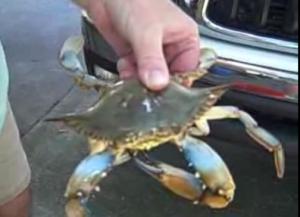
Louisiana Blue Crabs are available in the warm waters of the Gulf of Mexico. The word for Blue Crab in the Greek means beautiful swimmer and savory. Louisiana Blue Crabs are also known for a sweet and hearty texture. I personally love the claw meat of Blue Crabs, but the lump white crab meat is certainly the best.

blue crab
Blue Crab

On this sunny day in August, we visited the Folse & Company Seafood Market in Gonzales, Louisiana. It had been about 20 years since I actually boiled my own crabs. Usually, it is so easy to get boiled crabs at local restaurants.

We recommend about 2-4 crabs per person depending on the size. Of course, we only buy the best grade #1 crabs, so they are rather large and full of incredible meat.

 Getting Started with Your Louisiana Blue Crabs

Buy fresh local live crabs.  Once home place the crabs in a large basin or bucket and cover with ice.  The ice stuns the crabs and miraculously keeps the claws from falling off during the boiling process.  Soak for 30 minutes.

Prepare a large stock pot with boiling water.

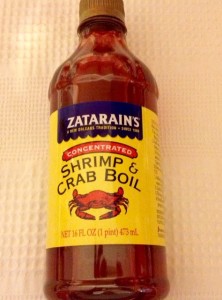
Zatarains Crab Boil
Zatarains Liquid Crab Boil

Add seasonings:
2 large sweet onions, quartered
Several whole garlic pods, cut in half
3-4 Bay leaves
2-4 tablespoons Zatarain’s Liquid Shrimp & Crab Boil (I use about 4 ounces – Mike)
Salt
2 tablespoons white vinegar (helps crabs peel easily)
lemon or lime juice.

Carefully place the crabs in the boiling water.  Boil about 15 minutes.  The crabs instantly turn a vibrant red once placed in the boiling water.  Turn off the heat.

Remove the crabs and serve.

If you want to let the crabs soak in the water in order to soak up the wonderful seasonings, place cold water or more ice on top of the crabs in order to stop the cooking process.

Eating Louisiana Blue Crabs

You can do this in any order you like, but this is just how I was taught to eat crabs as a little girl at the age of 8.  There would be about 10 family members sitting all around this large dining table in the dining room of my Aunt Linda’s house in New Orleans.  Newspapers were spread the entire length of the table and each person had a plate and a little bowl for dipping with either butter or ketchup.  What a wonderful memory.

How to Eat Louisiana Blue Crabs

Take the crab in one (be careful of the hard prickles on the shell). Carefully pull the legs out right at the join closet to the body. Some good meat will come out. Don’t be shy to pull the meat through your teeth and suck out the juice.

Next, turn the crab over and pull open the crabs private part. Grasp the bottom of the body in one hand and the top shell in the other and pull apart. Discard the top shell. Then, pull the lungs and other yucky guts items off. You should be left with 2 compartment separated by much thinner shell membranes.

Using a sharp knife carefully cut the compartment in half. Then, make a cut lengthwise on each compartment to reveal the sweet, savory white meat. Pull out the lump crab meat and work your way through the other smaller membranes.

Now for the legs – break apart the legs at each joint. Sometimes the meat will come right out. Other times you need to use crab crackers or nut crackers to open up the segments.

My favorite part is the claw. I always save it for last. Delicately crack right in the middle and once at the place where the claws start. You should be able to peel the shell off and reveal a big, full claw. Take the claw into your mouth and pull between your teeth. Now that’s some good stuff Cher!

P.S.: My first and last time that I cooked live crabs, I was 23 years old and still wet behind the ears when it came to cooking. We lived on a small island in northeast Florida – Amelia Island. A local seafood market had a sign for “Dozen Crabs – $12.00”. I thought, “Wow, I love crabs and I can figure out how to cook them.” So, I bought a dozen crabs. I didn’t realize that they were LIVE. I thought crabs were like fish and already dead.

Needless to say, to my surprise these things were all rustling about in the paper bag. I get them home and I no idea what to do with them. So, I call my mom back in Louisiana. She tells me to pour them in the sink and soak them in salt water. I thought that was just for crawfish, but I attempted it anyway. I took the bag and dumped them in the sink. Oh my gosh, they were rustling about and trying take off running on the counter.

One fell on the floor. I was hopping around like firecrackers were going off. My golden retriever was having a good time playing with one.

Well, I managed to boil and season some water and one by one placed the poor innocent crabs into the boiling hot cauldron and saying sorry to each of them. My Cajun cooking beginnings, lol.

They must have been good for I remember this crazy story. C’est la vie!

Beryl Stokes
Beryl Stokes

Shrimp Creole

Shrimp Creole Recipe

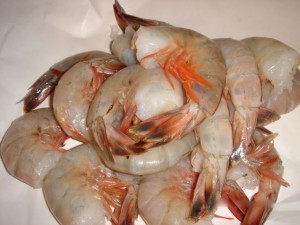
shrimp creoleShrimp Creole is another favorite Cajun/Creole dish.  Traditionally, Shrimp Creole is a Creole recipe from New Orleans.  Shrimp Creole only differs slightly from Shrimp Etouffee in that tomato sauce is added to the Roux and great big jumbo Gulf of Mexico shrimp of course. When it comes to recipes for shrimp, this is about as easy a Cajun recipe as you’ll ever find. Let’s get cooking!


Fresh Gulf Shrimp
Fresh Gulf Shrimp

Shrimp Creole Ingredients

2 pounds large shrimp (peeled and de-veined)
2 (8 ounce) cans tomato sauce
1 (10 ounce) can Rotel tomatoes
1 stick of butter
½ cup all-purpose flour
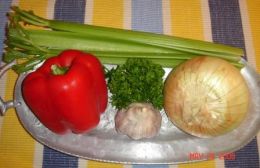
4 cups Cajun Trinity with minced garlic
6-8 cups vegetable stock (or chicken stock)
1 cup rice
Olive oil
Green onions chopped for garnish
Tony Chachere’s Creole Seasoning
Tabasco sauce to taste

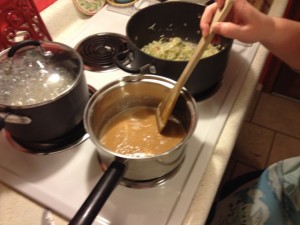
Making the Roux
Making the Roux

How to Make Shrimp Creole

As with all Cajun recipes, you start with a Roux. But, first we need to sauté our Cajun Trinity and garlic.

Place 2 tablespoons olive oil in a large Dutch oven or 6 quart pot.

On medium heat, sauté the Cajun Trinity until vegetables are wilted and tender.

Pour into a side bowl and set aside.

For the Roux – melt 1 stick of butter on medium heat.

Gradually add ½ cup flour and stir constantly until a light golden color.

cajun trinity ingredients
Cajun Trinity Ingredients

Carefully mix in Cajun Trinity and stir as to not stick or burn.

Add 6-8 cups stock. Bring to a boil. Lower the heat to medium and simmer for 15 minutes.

Add Rotel, tomato sauce, and Tony Chachere’s Creole Seasoning.

Simmer another 10-15 minutes.

Add shrimp. Cook another 10 minutes.

Make rice according to package directions.
1 cup rice + 2 cups water + 20 minutes = cooked white rice.

Serving Suggestions for Shrimp Creole

Serve Shrimp Creole over mound of rice in a deep plate or bowl. Garnish with chopped green onions. Also, Shrimp Creole is wonderful with crusty French bread for dipping.

Remember cooking from scratch is so easy and very rewarding. Bon Appétit!

beryl and alex
Beryl

The History of Cajuns

The History of Cajuns

Cajuns originated in the mid-1700’s after the British forced them from their home of Acadia, which was once a part of Canada. After refusing to bow down to the British Crown, the Acadians were forced to leave by boat to other countries where they would start new lives and eventually be known as the Cajuns.

But, there’s more than just the Cajun name to these French ancestors. There is a story untold, before they were famous for their cooking and music. A story that is as sad as it is tragic.

Around 1755, a colony of French Canadians found themselves helpless as a British army attacked, and their country of France ignored their desperate pleas for help.

These people were known as the Acadians. Because of their Christian beliefs, the Acadians refused to give into the British’s attempt to take over their religious beliefs. After all, the British had already taken their land and enslaved their children. So instead, the Acadians were given 18 months to leave their beloved colony and many were eventually sent to the U.S as a result.

The trip by boat was not easy however, and many of the Acadians died along the way from disease and malnourishment. Those that did survive settled on the swamp and land regions of New Orleans because many U.S. colonies refused to accept them. Some refused to give up their old life and returned to their homeland of Acadia, only to be imprisoned.

Those that settled the Louisiana lands were faced with diseases, death and a new territory. But the Acadians did not give up.  They used what resources were given to them and turned the land into a profit. They trapped and fished; making shrimp, oysters, crawfish and crabs a main source of income. Some farmed the lands, making rice, okra and peppers, profitable.

Despite all that had happened, the Acadians did not keep to themselves. They made friends with the Spanish and Native Americans who were local to the area.

The Acadians Become the Cajuns

Soon the English knew them as the Cajuns, rather than the Acadians. The “A” was made silent and the “di” became a “J” since this was how their native ancestors pronounced it. The result became the word, Cajuns.

For a while, life was good for the Cajun people, but by 1921 the U.S had decided it was time the Cajuns learned the English language.

Cajun children were forced to go to formal schools and beaten if they refused to learn the English language. If the children spoke their native language in school, they were punished. As a result, the Cajuns began to speak less of their native tongue. However, this did not stop the Cajuns from teaching their French language at home.

By 1939 at the start of World War II, the U.S. changed their determined ways. The Cajun’s used their French language to translate and help the American Soldiers in France.

It wasn’t until the 20th century however, that people began to truly accept the Cajuns. Today, they are famous for both their cooking and their music.

Cajun Cooking

Cajun cooking however, has been the most popular in their culture. Many Cajun based restaurants strive to be the best in Cajun cuisine while grocery stores carry their own versions of Cajun foods. 

Cajun culture has certainly improved to a society that once turned a deaf ear to this French colony.

The Cajuns have allowed us to share and experience their wonderful culture. For that, we are blessed.

Hurricane Gustav vs Cajun Cooking TV

Hurricane Gustav Cajun Cooking

Hurricane Gustav hindered our Cajun recipes cooking production, but not our spirit, nor our appetites for great Cajun food.

We were without electricity and Internet connection for 14 days, and had a major clean-up job after that. But, we’re happy to say we’re back to Cajun Cooking and will be bring you Cajun recipes weekly once again.

We’re also adding a “Cajun Culture” category, where we’ll be publishing articles on all sorts of things Cajun.

So, we’re happy to be back, and we’ll get those Cajun recipes and videos rolling again.


How To Make Turnip Greens

Turnip Greens

Turnip greens are real Southern food.

And us Cajuns are also Southerners, so it’s no wonder we like our turnip greens.

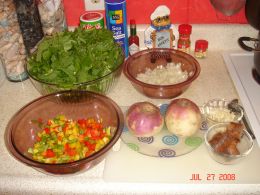
turnip greens recipe
Turnip Green Fixins

No Cajun recipe collection would be complete without this southern cooking recipe.

You rarely see this great vegetable in restaurants, although some Southern based cafeterias like Piccadilly serve them. You can also get turnip greens on the plate lunches at Reeves grocery store in Baton Rouge.

Turnip greens are pretty much something you get at home, or don’t get at all.

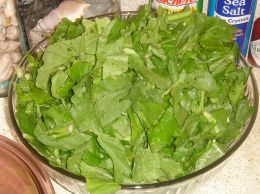
Turnip Greens
Turnip Greens

How to Cook Turnip Greens

Ingredients needed to make Turnip Greens

1-2 bunches of turnip greens (washed in salty water, rinsed well and chopped)
2 medium-large size turnip roots (peeled and diced)
Seasoning ham or smoked pork sausage
4-6 cups vegetable or chicken stock
Cajun Trinity (3 cups of onion, bell pepper, celery, and garlic)
Salt and Cajun seasoning (1 teaspoon each)

Cooking Directions

Prepare all your ingredients in order to easily put together.

Using fresh turnip greens, soak the greens in salted water.

You will need to rinse and soak again a few times to make sure all the grit is removed.

Chop into small bite-size pieces.

(Hint: we found a 2 lb pre-washed pack at the supermarket – ready to go turnip greens.)

Cook your bacon, ham, or sausage in a skillet.

Drain, cut-up and set aside.

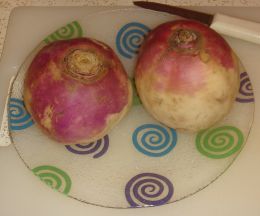
Turnip roots – peel the thick outer skin.

turnip roots
Turnip Roots

Cut-up into diced bite-size pieces.

Chop your onions, bell pepper, celery and garlic.

(Or, you can use frozen “season blend”)

Ready to Cook:

Begin by pouring 2 tablespoons vegetable oil or fat from the seasoning meat in a stock pot.

Saute the Cajun Trinity (or “season blend”) for 5 minutes.

Pour in 4-6 cups stock.

Add diced turnip roots.

Bring to a boil.

Cook for 15 minutes.

Add the turnip greens, seasoning meat, salt and Cajun seasoning.

Cover and lower the heat to medium #4.

Cook for 45 minutes.

Serve in a bowl with a good hot biscuit or cornbread for dipping the “pot licker”.

P.S. – If you have a question or comment about this recipe
(or any other recipe) please post your question or comment
in the “Comments” or “Leave a Reply” section below this
recipe.

Beryl Stokes
Beryl Stokes